

Phone: +1 919-443-5174 Email: gidrenovation@gmail.com


Apartment living is changing. More homeowners want interiors that feel stylish, flexible, and easy to live in every day. As homes become more compact and lifestyle-focused, good interior design is no longer only about appearance. It is also about comfort, storage, movement, and how each room supports daily routines.
Today’s home design trends are moving away from cold minimalism. A modern apartment should still feel clean and organized, but it should also feel warm, personal, and practical.
Modern design now focuses on livable spaces that adapt to work, rest, entertaining, and daily family needs. The best apartments use smart layouts, natural materials, and thoughtful details to make every square foot feel useful.
This guide explores the top apartment trends of the year and shares practical ideas that can help homeowners plan more functional, comfortable, and stylish spaces.
Minimalist design remains popular, but it has become softer and more inviting. Instead of empty rooms and cold surfaces, homeowners are choosing calm spaces with warmth, texture, and personality.
The goal is to reduce clutter without making the apartment feel plain. Fewer objects, cleaner lines, and better organization can make a small space feel larger and more peaceful.
Soft neutral colors, natural wood, textured fabrics, and warm lighting help create a balanced look.
Modern apartments benefit from intentional decisions. Every piece should have a purpose, whether it is a sofa, table, cabinet, light fixture, or decorative accent.
This approach helps prevent overcrowding. It also makes the space easier to clean and maintain.
Instead of filling rooms with many small items, homeowners are choosing higher-quality pieces that add comfort and function.
Warm whites, beige, soft gray, taupe, and earthy tones are popular because they create a calm foundation.
These colors work well in apartments because they reflect light and make rooms feel more open. They also pair easily with wood, stone, metal, and fabric textures.
A neutral base gives homeowners flexibility to update accents over time.
Small apartments need spaces that can adapt. A living room may also serve as a work area, dining area, and guest space.
This is why multifunctional furniture is becoming more important. Fold-out tables, storage benches, wall-mounted desks, sofa beds, and modular seating can help one room do more.
The key is to choose pieces that add function without making the room feel crowded.
Storage is one of the biggest challenges in apartment living.
Built-in cabinets, under-bed storage, floating shelves, and hidden compartments can help reduce clutter. Vertical storage is especially useful because it takes advantage of wall height instead of floor space.
Good storage keeps everyday items accessible while helping the apartment look clean and organized.
A flexible layout allows the apartment to change with daily needs.
Lightweight chairs, nesting tables, movable carts, and modular furniture can be rearranged for work, dinner, guests, or relaxation.
This makes the apartment feel more useful without requiring more square footage.
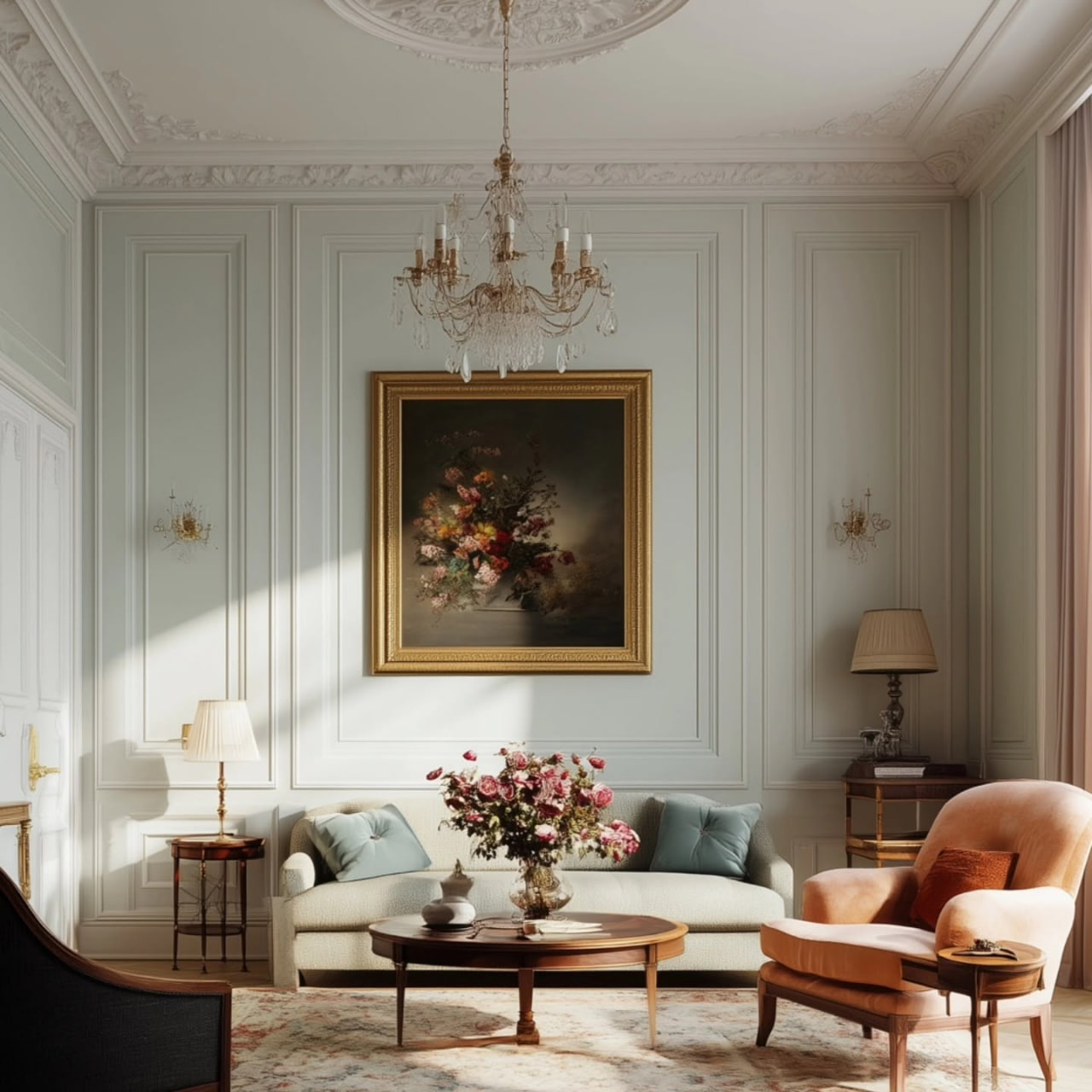
Natural materials are one of the strongest trends in apartment interiors. Wood, stone, linen, cotton, clay, and woven textures help soften clean modern spaces.
These materials create depth and make the apartment feel more comfortable. They also bring a sense of calm that works well in compact urban homes.
Texture is now used as a design tool instead of heavy decoration.
Stone and wood can make an apartment feel more refined and grounded.
Wood floors, floating shelves, stone backsplashes, and natural surfaces add warmth and character. In kitchens or bathrooms, stone slabs can create a polished focal point while still feeling organic.
These materials work especially well when paired with simple cabinets, soft lighting, and neutral walls.
Texture can come from rugs, curtains, upholstery, wall finishes, tiles, and furniture materials.
A soft rug can define a living area. Linen curtains can make a room feel lighter. Wood grain can add warmth to a simple cabinet wall.
These small design details help create a space that feels finished without looking busy.
Open-concept layouts remain popular in apartments because they make small spaces feel larger. However, the best designs now include clear zones for living, dining, cooking, and working.
Instead of using walls, homeowners can define areas with furniture placement, rugs, lighting, and color changes.
This keeps the apartment open while still giving each area a clear purpose.
A strong layout should make movement easy.
The path between the kitchen, sofa, table, and entryway should feel natural. Furniture should not block walkways or make the room feel tight.
A smart layout helps the apartment feel larger and more comfortable.
Even in a small apartment, dining areas can feel intentional.
A compact table, pendant light, rug, or wall feature can separate the dining space from the living area. This creates a more organized look without adding walls.
The same idea can work for a home office corner or reading area.
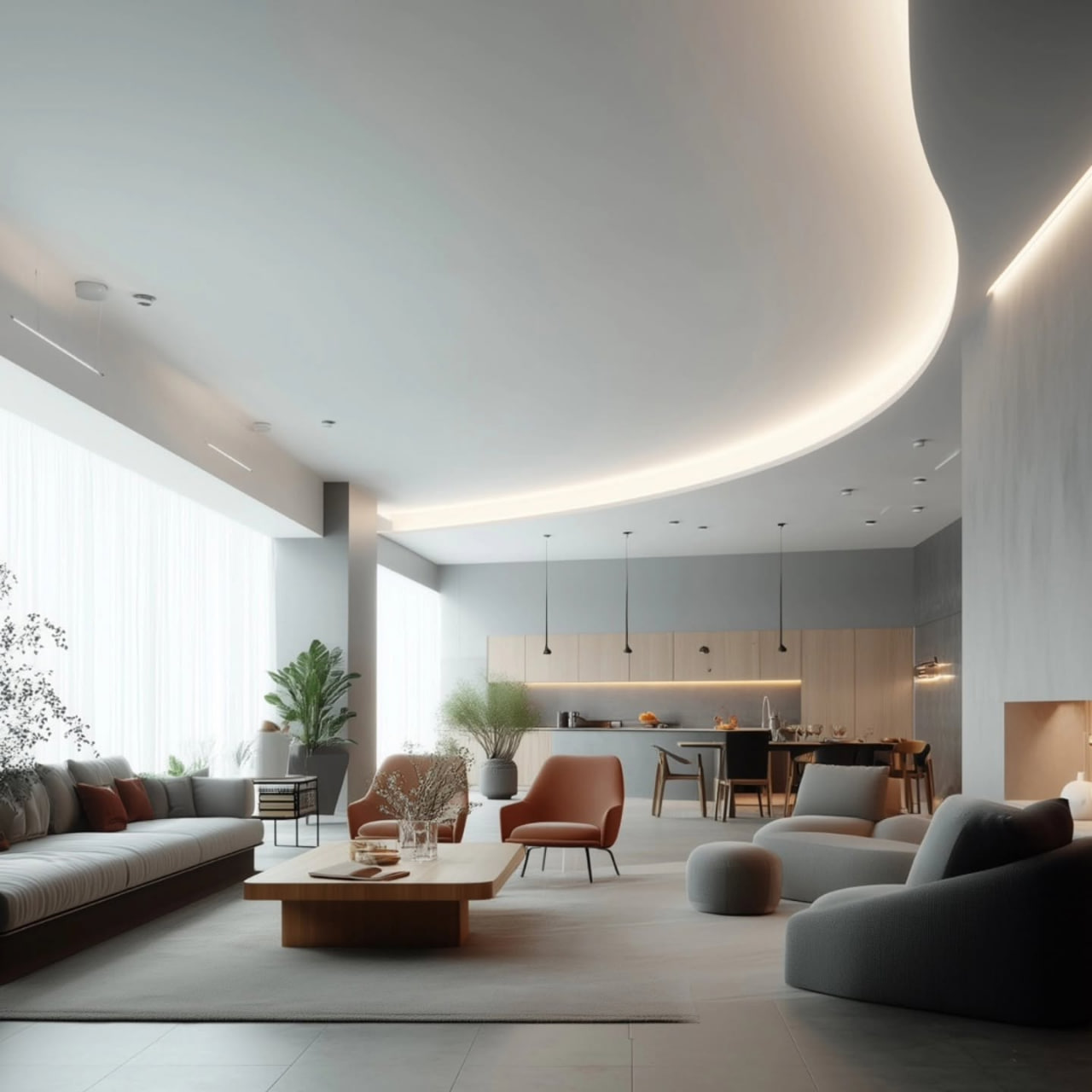
Smart home features are becoming a natural part of apartment design. Automated lighting, smart thermostats, security systems, and connected appliances can improve comfort and efficiency.
The best smart technology blends into the space. It should make daily life easier without adding visual clutter.
Hidden wiring, clean controls, and simple interfaces help keep the apartment polished.
Smart lighting can change the mood of a room throughout the day.
Bright lighting can support work and cooking. Warmer lighting can make the apartment feel more relaxed in the evening. Smart climate control can also improve comfort while helping manage energy use.
These upgrades are especially useful in apartments where each room serves multiple functions.
Smart technology supports the way people live today. It can make the apartment easier to manage, safer, and more comfortable.
For homeowners planning apartment renovations, it is helpful to think about technology early in the project. This allows smart features to be integrated cleanly into the overall plan.
GID Renovation can help homeowners create apartment spaces that combine function, comfort, and style without compromising the overall look.
The best apartment interiors are not only attractive. They support daily life.
Warm minimalism, flexible layouts, natural materials, defined zones, and smart technology all help create a home that feels practical and personal.
A successful apartment should feel calm, organized, and easy to use.
Every choice should work together, from furniture and lighting to finishes and storage.
When the layout, materials, and technology are planned as one complete system, the apartment feels more cohesive and comfortable.
With the right design approach, even a compact apartment can feel stylish, open, and highly livable.