

Phone: +1 919-443-5174 Email: gidrenovation@gmail.com


Many homeowners ask the same question: how often should a kitchen really be updated? It is an important question because the kitchen affects daily comfort, workflow, storage, and overall home value. When cabinets wear out, surfaces start to look dated, or appliances no longer perform well, the room can become less enjoyable and less efficient to use.
A well-timed kitchen renovation can improve both function and appearance. It can also help create a more comfortable and attractive home for everyday life. In many cases, homeowners begin thinking about updates when they notice worn materials, poor lighting, outdated finishes, or appliances that no longer support their needs. In other cases, changing family routines or new kitchen design trends make the space feel less practical than it once did.
This guide explains how often homeowners should remodel, what signs suggest it is time for a change, and how to plan kitchen renovation decisions more wisely. You will also learn how thoughtful updates can improve usability, support energy efficiency, and move your space closer to the dream kitchen you really want.
A common guideline for a regular kitchen renovation is every 10 to 15 years. That range works for many homes because kitchens experience heavy daily use. Cabinets, flooring, appliances, lighting, and countertops all face wear over time. Styles also change, which can make an older room feel less appealing even if it still works.
Still, there is no single timeline that fits every home. Several factors affect renovation timing. The quality of the original materials matters. A kitchen built with durable cabinetry and strong surfaces may last longer than one made with lower-quality finishes. Lifestyle also matters. A kitchen used by a large family every day may need attention sooner than one used less heavily.
Sometimes homeowners do not need a full remodel right away. In many cases, minor updates can extend the life of the space. Replacing hardware, repainting cabinets, improving lighting, or updating a backsplash may refresh the room without the cost of a full project. These smaller changes can be useful when the layout still works well and the main materials are in decent condition.
A full renovation becomes more important when the kitchen no longer supports daily needs, looks badly outdated, or shows signs of deeper wear. That is often the point when homeowners move beyond minor updates and start thinking about a larger investment.
It is also worth noting that changing expectations play a role. Today’s homeowners often want more storage, better flow, smarter layouts, and a more modern kitchen feel. As kitchen design trends evolve, many older spaces no longer match how people live now.
One of the clearest signs is visible wear. Damaged countertops, chipped cabinets, worn flooring, loose hardware, and outdated finishes can all make the kitchen feel tired. These issues may begin as cosmetic problems, but over time they can also affect function.
Poor storage is another major sign. If your kitchen feels cluttered because there is not enough cabinet space or usable workspace, the room may no longer fit your daily routine. This is especially true for homeowners who cook often, entertain guests, or need better organization for family life. The best functional kitchens are designed to support real habits, not just look attractive in photos.
Outdated appliances are another common signal. Older kitchen appliances may use more energy, perform less efficiently, and offer fewer features than newer models. Replacing them can improve convenience, and in many cases it can also support better energy efficiency.
Lighting problems often point to the need for a remodel as well. A kitchen that feels dark, unevenly lit, or poorly arranged can be frustrating to use. Better task lighting, ambient lighting, and layout changes can make a big difference in both function and comfort.
Layout is another important factor. Even if the finishes still look acceptable, the room may simply not work well anymore. A closed-off plan, awkward traffic flow, or lack of prep space can make the kitchen feel dated. In these cases, the issue is not only appearance but usability.
Some homeowners also reach a point where the room no longer reflects their style. They may want a cleaner, more modern kitchen, or they may want the room to feel warmer, brighter, and more personal. When the kitchen no longer fits the household’s taste or daily needs, a remodel can be the right next step.

A smart remodel starts with clear priorities. Before making design choices, think about what is working and what is not. Do you need more storage, more counter space, better lighting, improved appliance placement, or a stronger visual style? Knowing the real goals helps you make better decisions throughout the project.
Budget is another essential part of planning. A realistic budget helps you decide which changes will have the biggest impact. It also reduces the chance of overspending on features that do not improve daily life. If you want to plan kitchen renovation work successfully, start by separating must-haves from nice-to-haves.
Material choices matter too. Durable, timeless surfaces often provide better long-term value than highly trendy options that may feel dated quickly. Homeowners should also think ahead about how the room will age and how easily materials can be maintained.
Appliance selection is another area where planning matters. Modern kitchen appliances can improve daily convenience, support better workflow, and increase energy efficiency. Choosing efficient models can lower energy use while also improving performance.
It can also help to work with an experienced kitchen designer or renovation team. A professional can guide layout choices, help avoid expensive mistakes, and recommend solutions that fit your lifestyle and your home. This is especially useful when several factors affect renovation decisions at once, such as budget, storage needs, layout problems, and finish selection.
The most successful remodels are the ones that balance style, function, and long-term value. A thoughtful plan helps you avoid frequent updates and move toward a kitchen that stays useful and attractive for years.
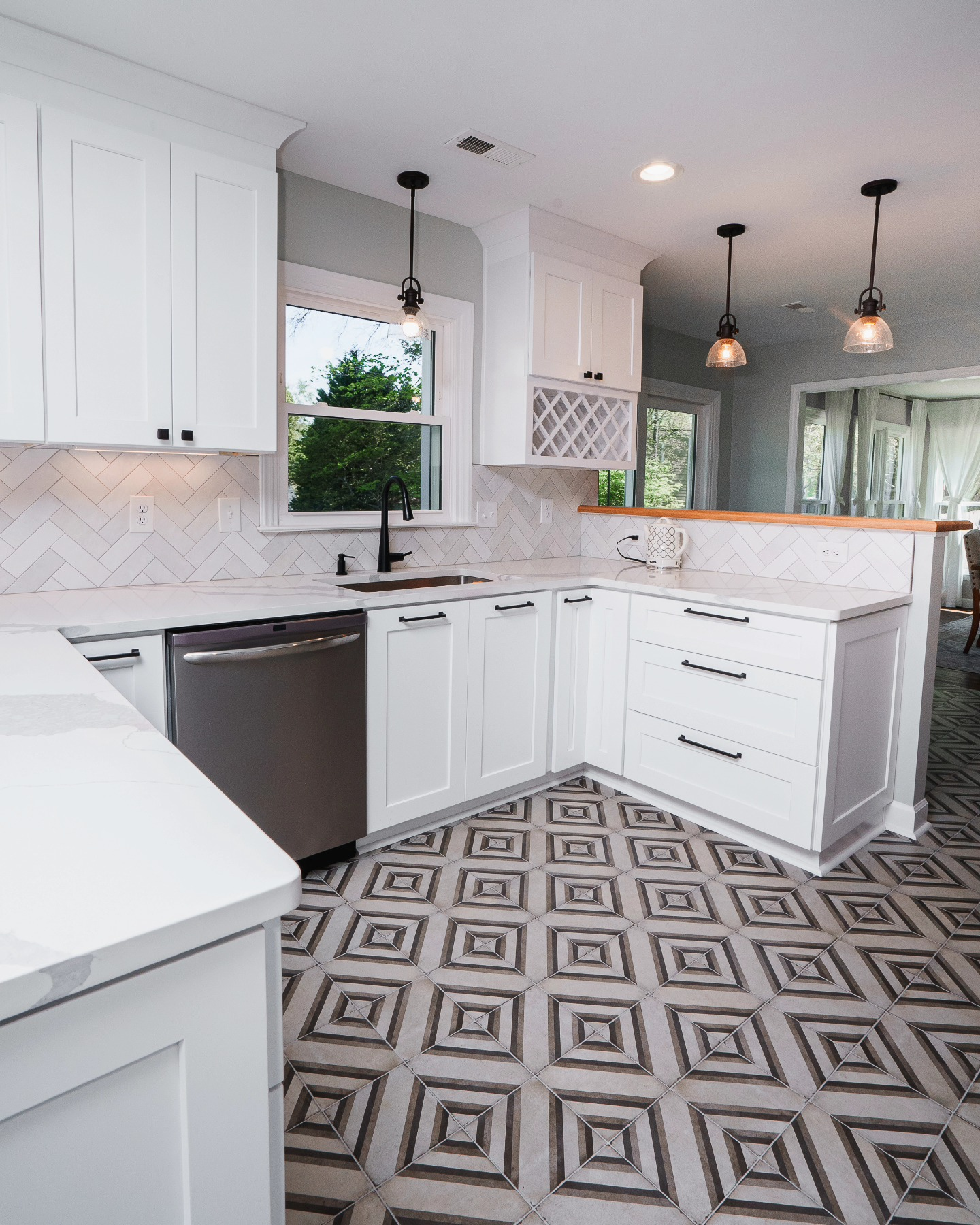
GID Renovation helps homeowners move through the remodeling process with confidence. We understand that every kitchen is different, and every family uses the space in a different way. That is why we focus on practical planning, clear communication, and personalized solutions.
Our team can help with layout planning, materials, finishes, appliances, and overall project direction. Whether you need a few targeted improvements or a full kitchen renovation, we work to create spaces that feel more beautiful, more efficient, and more comfortable to use every day.
We also understand the importance of balancing budget with long-term value. Some clients want a full redesign that brings them closer to their dream kitchen. Others want strategic changes that improve function without unnecessary work. In both cases, our goal is to deliver results that fit the home and the homeowner’s real needs.
If you want expert guidance, professional craftsmanship, and a smoother renovation experience, GID Renovation is ready to help. Contact our team to discuss your goals and start planning the right update for your kitchen.
There is no perfect calendar date for every remodel, but many kitchens benefit from meaningful updates every 10 to 15 years. The right timing depends on condition, lifestyle, design goals, and how well the room still supports everyday use.
If your kitchen feels outdated, inefficient, worn, or difficult to use, it may be time to start planning the next step. With the right strategy, the right materials, and the right team, a remodel can improve both your daily life and your home’s long-term value.