

Phone: +1 919-443-5174 Email: gidrenovation@gmail.com


Planning a bathroom update in North Carolina involves more than choosing tile, fixtures, and paint colors. Permit rules are also an important part of the process. Many homeowners are unsure when bathroom remodeling permits are required, what type of work needs approval, and how local rules apply to their plans. That uncertainty can lead to delays, extra costs, and mistakes if work begins before the proper approvals are in place.
In many cases, the answer depends on the scope of the job. Small cosmetic changes may not require official approval, but plumbing, electrical, and structural work often does. Local rules can also vary by city or county, which is why two similar projects may not follow exactly the same permit requirements. The size of the project, the systems involved, and the local authority all affect what is needed.
This guide explains the common confusion around bathroom permits, how to tell whether your remodeling project needs approval, what the permitting process usually looks like, and how to avoid common problems. With the right information and the right contractor, homeowners can move forward with more confidence and keep the work compliant with North Carolina building standards.
One of the biggest misunderstandings homeowners have is assuming permits are only needed for large renovations. In reality, even a smaller bathroom update can require approval if it includes plumbing changes, electrical work, or structural adjustments. That is why many people are surprised to learn that a permit may be needed even when the room itself is not being fully rebuilt.
Another common point of confusion is the idea that cosmetic work and technical work are treated the same way. Purely visual changes such as painting, replacing mirrors, or changing hardware may not require a building permit. But once the work affects pipes, drains, wiring, ventilation, or walls, local officials may require review and inspection.
Homeowners are also often confused because rules differ from one location to another. A city or county may have its own procedures, timelines, and documentation standards. In one area, a simple plumbing update may move quickly. In another, the building department may require more detailed paperwork or additional review. These local differences are one reason why bathroom permits often feel more complicated than expected.
Some people also believe that hiring a contractor means they no longer need to think about permits at all. A good contractor should understand the permitting process and help manage it correctly, but homeowners still benefit from knowing what approvals are required. Clear communication about responsibilities helps prevent missed applications, failed inspections, and confusion later in the job.
Understanding these issues early can save time and money. It also helps reduce the risk of fines, stop-work orders, or problems when selling the home in the future.
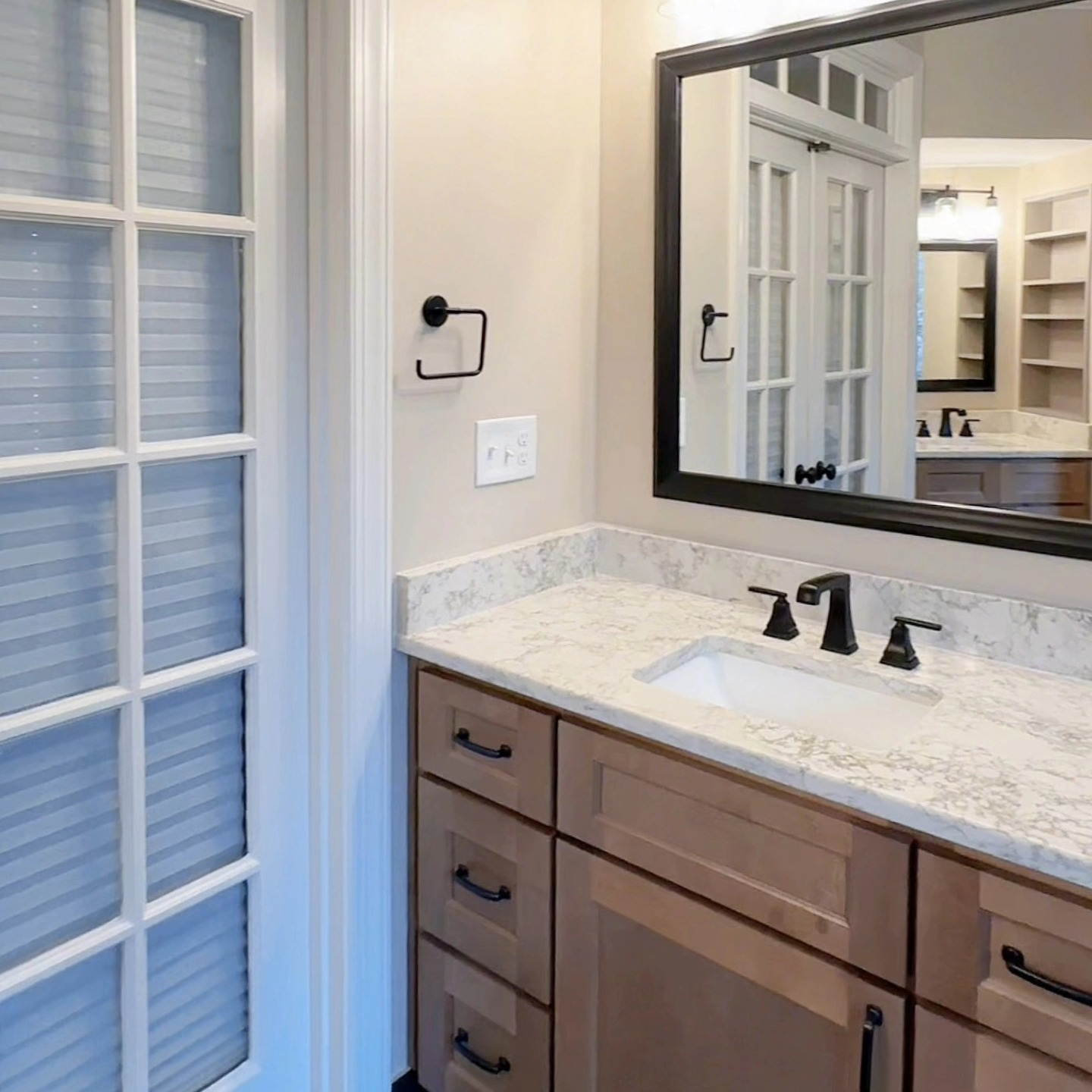
The best way to decide whether you need permits to remodel a bathroom is to look closely at the type of work involved. In general, projects that change plumbing, electrical systems, layout, or structural elements are more likely to need approval. Projects that only refresh finishes are less likely to require formal review.
For example, replacing paint, swapping out a mirror, or installing new accessories may not require a permit. But moving a toilet, changing drain lines, updating electrical wiring, or modifying walls often does. If your project includes a new shower configuration, you may even need a permit for shower work, especially if plumbing lines, waterproofing systems, or inspections are involved.
The scope of work matters. Ask yourself whether the remodel changes how the room functions or whether it only updates appearance. Functional changes usually trigger more review because they can affect safety, code compliance, and long-term performance.
Homeowners should also remember that local offices may have specific requirements for bathroom work. That is why it is smart to review local code guidance, speak with the city or county permitting office, or consult a licensed contractor familiar with North Carolina regulations. A quick check early on is much better than discovering later that approvals were required before the work began.
When in doubt, verify first. It is safer to confirm than to assume. A short conversation with the local building department can help clarify whether your exact scope of work requires a permit and what documents may be needed.
Getting the correct permits is usually a structured process. It begins with clearly defining the work. Before you apply, you should know whether the project includes plumbing, electrical, layout, ventilation, or structural updates. That scope will shape what approvals are needed.
The next step is preparing documents. Depending on the job, this may include drawings, fixture information, layout details, or other supporting paperwork. Some projects need only basic information, while larger jobs may require more detailed plans to satisfy local permit requirements.
After that, the application is submitted to the city or county office responsible for permit review. The local authority may ask for fees, forms, and project details before issuing a building permit. Approval must usually be granted before demolition or installation begins.
Once work starts, inspections are often required during key phases of the job. For example, plumbing or electrical rough-ins may need review before walls are closed. Final inspections are also common at the end of the project. These inspections help confirm that the work meets code and follows approved plans.
In some cases, homeowners may hear terms such as removal approval when existing fixtures, walls, or systems are being taken out as part of the renovation. The exact terminology and process may vary locally, but the main goal is the same: make sure work is reviewed properly before and during construction.
The overall permitting process is usually manageable when approached step by step. Define the project, prepare the documents, submit the application, wait for approval, complete inspections, and keep copies of all records. Following these steps helps keep the remodel legal, safe, and better organized.
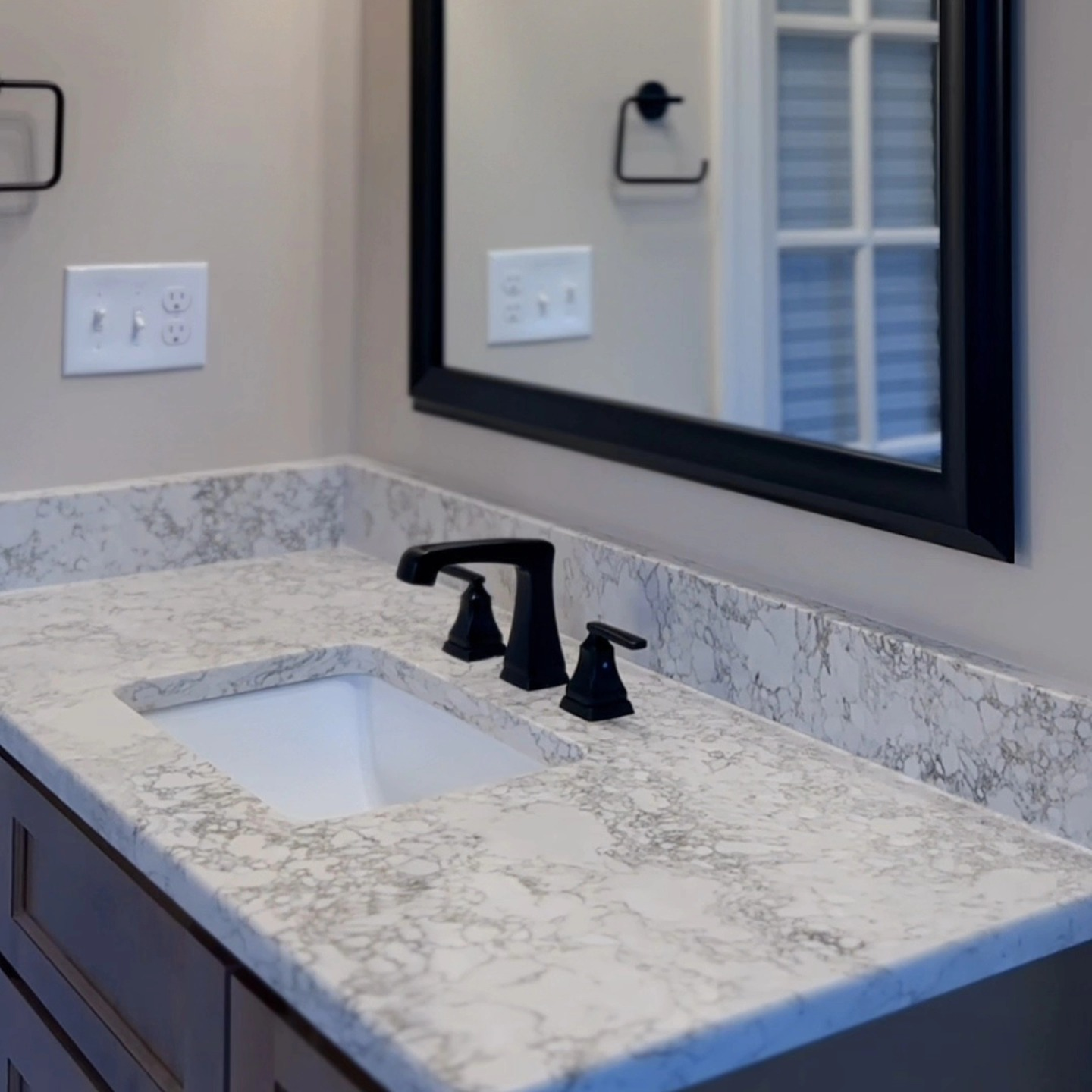
The best way to avoid permit problems is to plan ahead. Start by defining the project clearly before any demolition or installation begins. The more precise your scope, the easier it is to identify the approvals needed and avoid confusion later.
Next, confirm local rules as early as possible. Even if you have completed a bathroom update before, your city or county may apply different standards now or may handle approvals differently from another location. Local specific requirements should always guide the plan.
It is also wise to work with licensed professionals who understand bathroom remodeling and know how to handle permit-related details correctly. An experienced contractor can help review the scope, communicate with the permitting office, and make sure the work aligns with local code expectations.
Keep good records throughout the job. Save approved documents, receipts, permit numbers, inspection notes, and any communication related to the application. Good documentation can help if questions come up during the project or later when the home is sold.
Avoid shortcuts. Starting work too early, skipping inspections, or assuming that approval is not needed can lead to delays, penalties, and expensive corrections. A proactive approach is always better than trying to fix permit issues after the fact.
If you are planning a bathroom remodel in North Carolina and want professional guidance, GID Renovation can help. We work with homeowners to define the project clearly, understand local approval needs, and complete bathroom renovations with care and compliance in mind. Contact GID Renovation for help navigating permits and keeping your remodel on track.
Bathroom permits can seem confusing at first, but the basic rule is simple: the more your project affects plumbing, electrical systems, structure, or layout, the more likely approval will be required. Cosmetic work may be more flexible, but technical changes usually need closer review.
By understanding local rules, confirming the right approvals, and working with the right team, homeowners can avoid costly mistakes and keep their project moving smoothly. When handled correctly, permits are not just paperwork. They are part of creating a safer and more reliable bathroom remodel.